Requisition to payment, run as one process
The whole procure-to-pay cycle handled by one named team in India and the Middle East, inside your ERP.

What is procure-to-pay outsourcing?
It means one outside team owning the whole cycle, from the moment somebody asks for something to the moment the supplier is paid. Requisition, order, receipt, match, exception, approval, payment file. One owner, one SLA, one report on how long the whole thing takes.
Most companies do not have a procure-to-pay problem. They have four smaller problems that happen to be joined end to end. A requisition sits waiting on an approver who is travelling. An order goes out and nobody checks whether the supplier acknowledged it. Goods arrive and the receipt is never posted. Then an invoice lands that cannot match, and accounts payable spends a fortnight working out which of the three earlier steps caused it. Every team is doing its part competently. The cycle is still slow, because the gaps between the parts belong to nobody.
Approval rights, supplier selection and payment release stay inside your organisation. We prepare, route, chase and reconcile. You approve the requisition, you award the order, you release the payment file. Any change to a supplier's bank details is treated as an exception and escalated to your nominated contact for out of band checking, never actioned by us.
The spread in what this costs is wide enough to be worth measuring. APQC's benchmarking, published in April 2026, found organisations spend anywhere from about $14 to more than $54 to process a single purchase order, and attributes most of that gap to how the work is structured rather than to what is being bought. At the other end of the same cycle, The Hackett Group's July 2025 research put Digital World Class organisations at 58 percent shorter requisition-to-purchase-order cycle times than their peers, running with 31 percent fewer full time staff and a cost 19 percent lower as a share of spend.
Receipting and three-way match is usually not the missing piece. Deloitte's 2025 Global Chief Procurement Officer Survey, covering more than 250 CPOs across 40 countries, found invoice and payment processing at 78 percent and purchasing at 75 percent are already the most adopted areas for next generation technology after analytics. The systems are largely bought. What is missing in most mid-market teams is somebody whose actual job is the cycle: chasing the approver, chasing the acknowledgement, chasing the goods receipt, and clearing the exception before it turns into a late payment and a phone call from the supplier.
That is the job we take. We run it inside your ERP, under your approval matrix and your matching tolerances, with named analysts across intake, ordering and payables rather than three queues that hand work to each other. And we report on the number nobody currently owns: how long a requisition takes to become a paid invoice, and what share of them got there untouched.
Where we deliver
The regions we sell into, and the data protection rules that govern each engagement. A cycle that crosses borders has to be contracted for before it starts, not after.
- Australia and New Zealand
Our working day overlaps ANZ mornings, so approvals raised overnight are chased before your team logs on. The Australian Privacy Principles govern cross border handling.
- Canada
PIPEDA, and Law 25 in Quebec. Bilingual EN/FR correspondence with requesters and suppliers on request.
- United Kingdom
UK GDPR, with an IDTA covering transfers to India.
- GCC, UAE and Saudi Arabia
Our Middle East team gives local hours cover across the whole cycle. Saudi PDPL and UAE data protection law are written into the DPA.
- United States
Committed overlap hours in the contract, not best efforts, because approval chasing only works in your working day. SOC 2 Type II is on our certification roadmap.
- Europe
GDPR first, with multi-language supplier correspondence. Strongest fit today in the Netherlands, the Nordics and Ireland.
What the team actually does
Five stages of one cycle, run by the same team rather than handed between three.

Requests arrive in one queue, get checked against budget and policy, and are routed on your approval matrix until somebody actually decides.

Orders raised from the approved requisition and chased until the supplier confirms them, so the order is not still a guess by the time goods turn up.
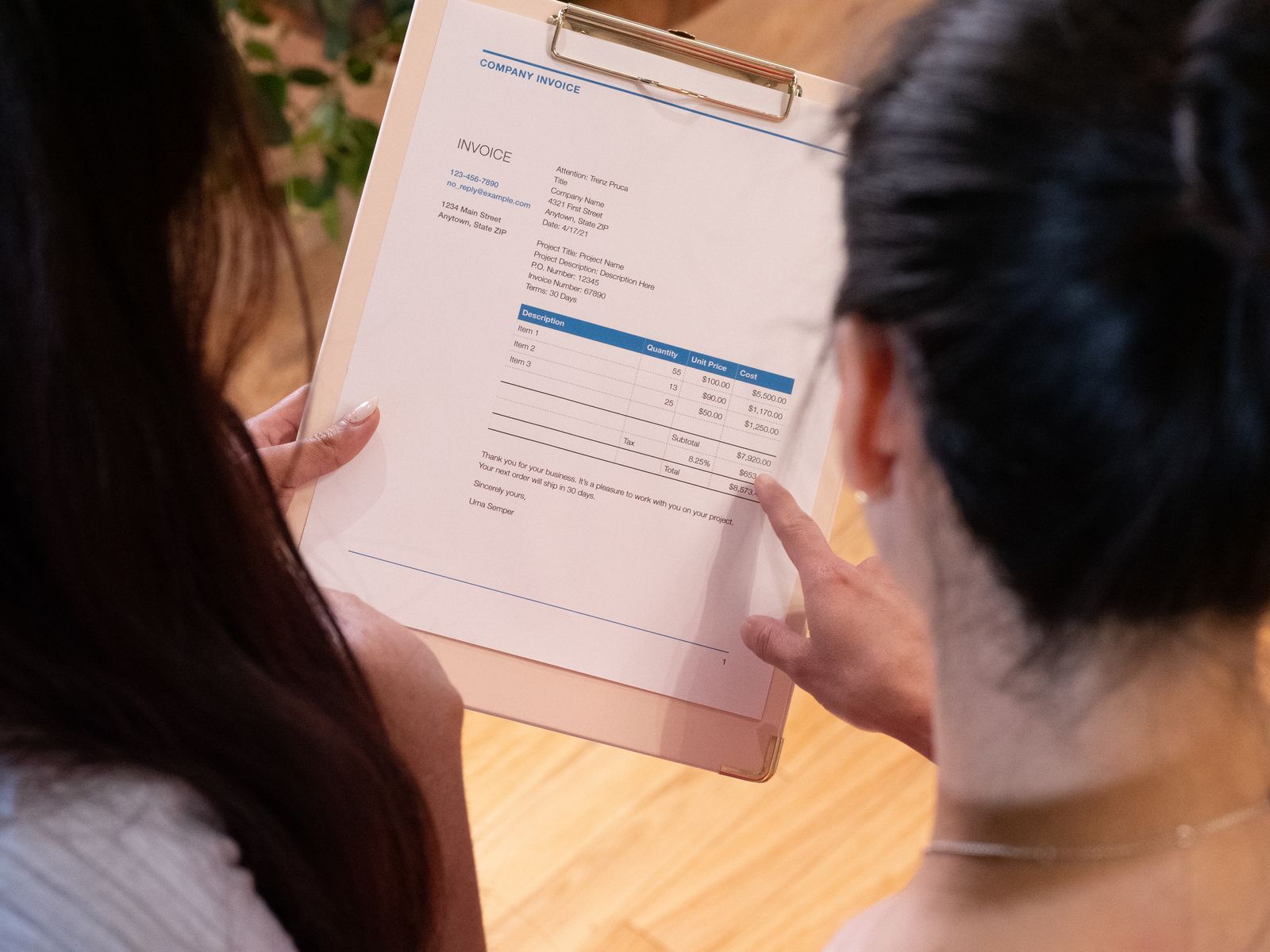
Goods receipts posted, then invoice, order and receipt matched on your tolerances before an approver ever has to look at it.

Price gaps, short deliveries, missing receipts and no-PO invoices are worked by one named analyst until they clear, wherever in the cycle they started.

Runs staged for your release, early payment discounts flagged before they lapse, and one report covering the whole cycle rather than three.
What we need from you
Four things. The cycle crosses procurement and finance, so two of them have to as well.

A month of requisitions, the orders they became and the invoices that followed, so we measure the handoffs instead of guessing at them.

One person who can speak for procurement and for finance while the pilot runs. The cycle crosses that line, so the owner has to.

Read and post rights in your ERP and P2P tools, scoped by you and revoked by you at any time.

Your approval matrix, your matching tolerances and your escalation path, written down once and applied the same way at every step.
How the cycle moves across
Six to eight weeks from first conversation to one team running the cycle, with a paid pilot before any long term commitment. It is longer than a single-step engagement because the handoffs have to be documented too.
We measure the whole cycle rather than one step of it. Where requisitions wait, which orders go unacknowledged, how often a goods receipt is missing, and what share of invoices match first time.
One entity, or one spend category, run end to end for a defined period against the baseline we agreed. Enough of the cycle to be real, small enough that nothing is at risk.
Named analysts across intake, ordering and payables under a single SLA, with governance on the cycle rather than on three separate queues.
Split across your teams, Procuriva, or a large BPO
Three ways to run procure-to-pay. If your volume is low or you operate a single simple entity, keeping the cycle in house is the right answer and we will say so.
Buy the whole cycle, or one step of it
Each step below is a service we sell on its own. This page is for the case where the problem is not one of them, it is the joins between them.
The front of the cycle: intake, budget and policy checks, approval routing and the chasing that turns an approved request into a purchase order.
The middle: raising the order against the approved requisition, getting it acknowledged, and keeping amendments and promised dates on the record.
The end: capture and coding, three-way match, exception clearing and payment preparation, with the payment release still yours.

Frequently asked questions
The questions procurement and finance leads ask before handing the whole cycle to one outside team.




See where your cycle actually stalls.
Two weeks, no obligation. You keep the baseline report either way.