Source to contract, run as one cycle
Opportunity assessment, sourcing, award papers and renewals, from a named team in India and the Middle East.

What is source-to-contract outsourcing?
It is the upstream half of procurement, run by an outside team. Finding the opportunity, planning the sourcing, running the event, writing the award recommendation, getting the contract signed, and then holding on to what that contract promised. The downstream half, requisitions to payment, is procure-to-pay and is bought separately.
The boundary is worth being precise about, because most confusion in this category comes from it. Source-to-contract starts when someone notices a category is worth going to market on and ends the day the contract is signed. Procure-to-pay starts at the next requisition raised against that contract. Put the two together and you have source-to-pay. We sell them separately because most mid-market teams need one badly and the other only eventually.
We recommend, you decide. Supplier selection, contract signature and delegated authority stay inside your organisation, and legal review stays with your counsel. We are not lawyers and we do not give legal advice. What we hand over is the evidence, the paperwork and the calendar.
The reason the upstream half is worth buying is that the contract keeps costing you after it is signed. World Commerce & Contracting, working with Deloitte on The ROI of Contracting Excellence in June 2023, drew on more than 1,200 organisations and estimated average value erosion at 8.6 percent of contract value. The best performers ran at a little over 3 percent, the worst above 20 percent. That is the gap between what was negotiated and what the organisation actually got.
What makes the figure interesting is what it was compared against. What the same research does not find is a technology gap. It reports that 78 percent of organisations had made some investment in contract lifecycle management over the previous five years, against an erosion figure that has barely moved: 8.6 percent, where the 2014 IACCM baseline was 9.2 percent. The two are measured over different windows and across different populations, so neither explains the other — but a market that has largely bought the tooling and still loses this much after signature is not short of a repository. It was somebody whose job is to work the cycle: chase the sourcing calendar, write the award paper, file the signed contract properly and notice a renewal ninety days before it renews itself.
That work is measurable in time as well as money. The Hackett Group defines the sourcing cycle as the business days from an end user communicating a requirement to the signing of the supplier agreement, and its July 2025 research puts Digital World Class organisations 24 percent shorter than their peer group. Most of the difference is not brilliance in the negotiation. It is the days nobody was assigned to.
Where we deliver
The regions we sell into, and the rules that govern each engagement.
- Australia and New Zealand
Our working day overlaps ANZ mornings, so award papers land before your approval meetings. The Australian Privacy Principles govern cross border handling.
- Canada
PIPEDA, and Law 25 in Quebec. Bilingual EN/FR tender and contract correspondence where the market requires it.
- United Kingdom
UK GDPR, with an IDTA covering transfers to India. Public sector tendering rules are your counsel's call, not ours.
- GCC, UAE and Saudi Arabia
Our Middle East team gives local hours cover and local supplier market knowledge. Saudi PDPL and UAE data protection law are written into the DPA.
- United States
Committed overlap hours in the contract, not best efforts, so award decisions do not wait a day for a question. SOC 2 Type II is on our certification roadmap.
- Europe
GDPR first, with multi-language supplier and contract handling. Strongest fit today in the Netherlands, the Nordics and Ireland.
What the team actually does
Five areas of work, run as one cycle by the analysts assigned to your account.

Where the money actually is. Contracts about to expire, spend running with no agreement behind it, and the categories worth taking to market this year.

A calendar of events with owners and dates on it, so sourcing happens on a plan instead of on the day a renewal notice lands.

Offers modelled like for like and written up as a paper your approvers can sign, with the reasoning visible on the page.
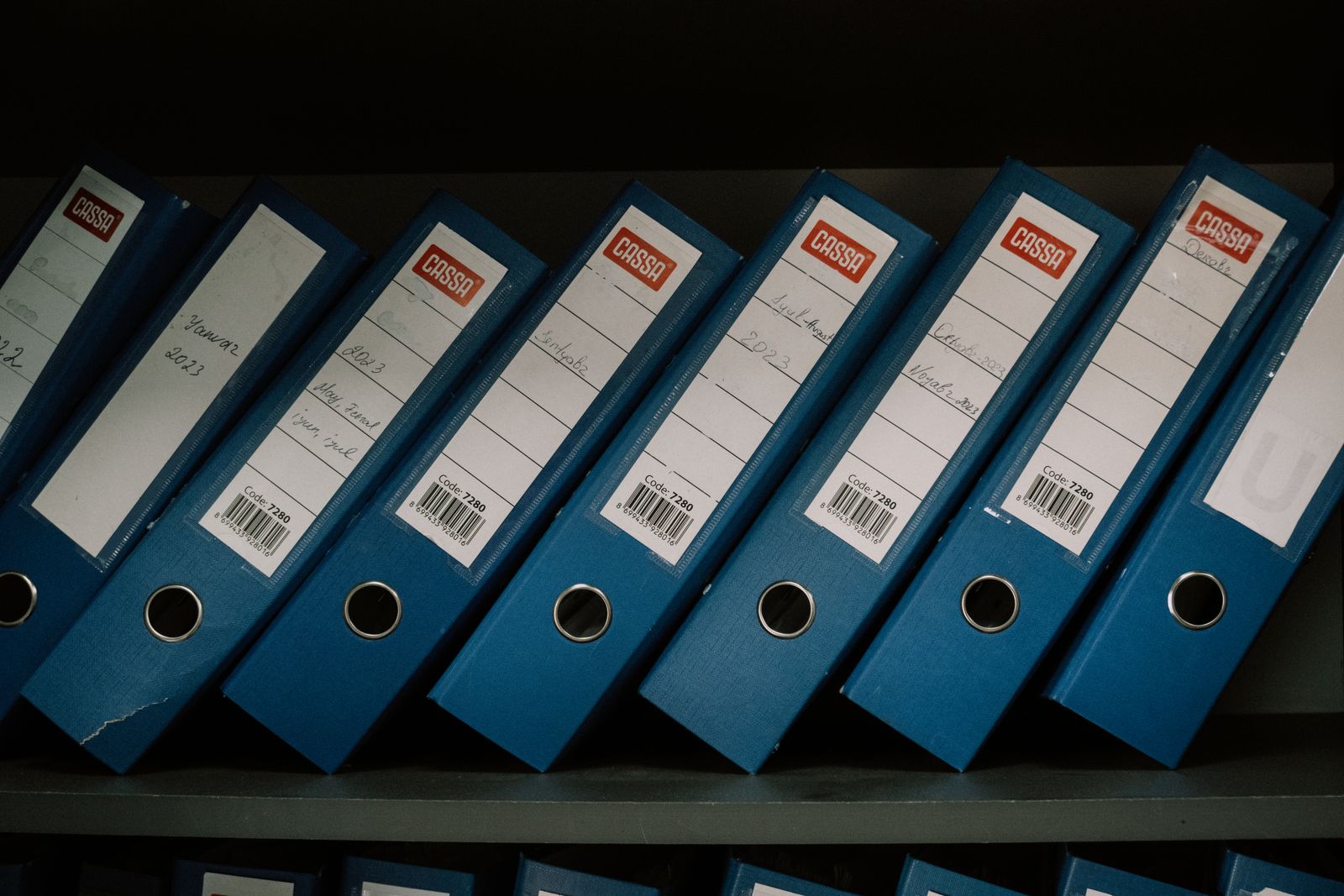
Signature through to repository. One indexed place holding the agreement, the terms that matter and the person who owns it.

A renewal calendar with notice periods on it, and the savings you agreed tracked to something finance can reconcile.
What we need from you
Four things. The last one is the one that decides how well this works.

Whatever you have. A folder, a spreadsheet, or an export from a contract system. It does not need to be tidy first.

One person who can answer how decisions get taken here and who signs what.

Read access to spend and contract data, and to your sourcing tool if you run one. We do not need to touch payments.

Who selects, who signs, and what counts as a saving. Written down once, before the first event runs.
How the cycle comes across
Four to six weeks from first conversation to a team running your sourcing calendar, with a paid pilot on one real category before any longer commitment.
We map what you have. The contract register, what expires in the next twelve months, which spend has no agreement behind it, and which categories are worth taking to market this year.
One category taken the whole way, opportunity through to a signed contract, so you judge the work on a real outcome rather than on a proposal.
Your named analysts take the sourcing calendar and the renewal calendar and run them, with monthly reporting and capacity that moves with the pipeline rather than with your hiring cycle.
In-house team, Procuriva, or a consultancy
An honest read on where each option wins. If you sign four contracts a year, none of this is worth buying and we will tell you so.
The cycle, stage by stage
Each stage is a service in its own right, and can be bought on its own. This page is what it looks like when they run as one cycle with one team behind them.
- Stage one. Strategic sourcing
The analysis under the decision: market research, should-cost models and bid analysis. Your people still do the negotiating.
- Stage two. RFx coordination
Running the event itself. The document, the supplier list, the question window, the chasing and the comparison.
- Stage three. Category management
Keeping a category worked between events: market view, supplier scorecards and savings tracked over time.
- Before it. Spend analysis
Where the opportunity comes from. Sourcing a category you have not measured means guessing which ones deserve the effort.
- After it. Purchase order management
What turns a signed contract into orders at the agreed price. Contracts nobody buys against save nothing.
- Alongside it. Tail spend
The spend too small to justify a sourcing event, handled by a buying desk instead of a contract.
Frequently asked questions
The questions procurement, finance and legal teams ask before handing the upstream cycle to an outside team.




Find out what your contract book is costing.
We map the register and the expiries. You keep the report either way.